
en
New Testament
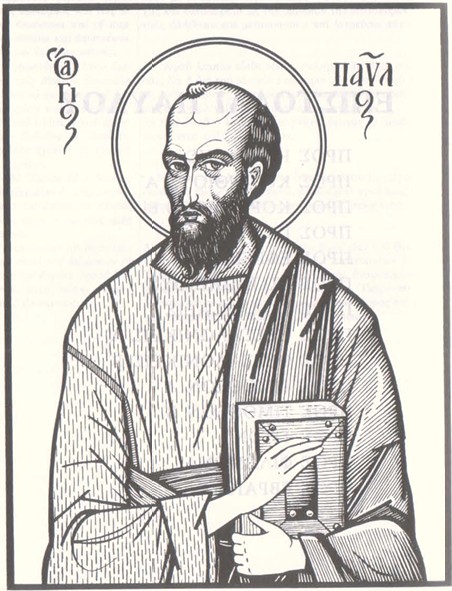
Before Paul's arrival in Rome, which occurred during his first imprisonment, that is around 60 A.D., it does not seem likely that any other Apostle had preached the gospel there. For otherwise, how could Paul have been so certain about himself in relation to Rome, that he was eager to preach the Gospel «not where Christ was named, lest I should build on another man’s foundation»; (Rom. 15:20).
Nevertheless, as appears from the letter, there was in Rome an advanced and flourishing Church. So how and by whom had it been founded? The most probable opinion seems to be that Christianity was introduced to the capital of the world at that time not by members of the then-flourishing Jewish community, established since the time of Pompey (61 B.C.), who had heard the preaching of the Gospel in Jerusalem and brought it from there, but by Gentile Christians who, for commercial and political reasons, visited frequently the capital from Syria, Macedonia, and Achaia. Among them, most likely, were also Andronicus and Junia mentioned in Romans 16:7.
And indeed many Jews were also counted among the members of the Church in Rome, as is evident from the content of the letter itself (compare the matters concerning Abraham and Adam discussed in the first chapters). However, for the most part, the Christians of Rome came from the nations (compare what is developed in chapter 9 and the following chapters).
Since the Apostle had long desired to visit Rome and was already intending at the first opportunity to undertake a journey there, he took advantage of Phoebe's journey to Rome, a deacon of the church in Cenchreae, to send from Corinth to the Christians there this letter of his, in order both to announce to them his planned journey and to prepare among them the ground for the fruitfulness of his work when he would visit them. With this purpose, he advances to a full exposition of his Gospel, developing its central themes. Given that, as mentioned in the epistle (1 Corinthians 16:25-28), the Apostle was about to bring contributions to Jerusalem, which had been collected from the various churches among the nations for the poor Christians there, we can deduce that the epistle was written during Paul's last journey to Corinth, a few months before he was seized in Jerusalem in order to be subsequently imprisoned in Caesarea; that is, around 58 AD.
1 Paul, a bondservant of Jesus Christ, called to be an apostle, separated to the gospel of God
1 ΠΑΥΛΟΣ, δοῦλος Ἰησοῦ Χριστοῦ, κλητὸς ἀπόστολος, ἀφωρισμένος εἰς εὐαγγέλιον Θεοῦ
2 which He promised before through His prophets in the Holy Scriptures,
2 ὃ προεπηγγείλατο διὰ τῶν προφητῶν αὐτοῦ ἐν γραφαῖς ἁγίαις
3 concerning His Son Jesus Christ our Lord, who was born of the seed of David according to the flesh,
3 περὶ τοῦ υἱοῦ αὐτοῦ, τοῦ γενομένου ἐκ σπέρματος Δαυΐδ κατὰ σάρκα,
4 and declared to be the Son of God with power according to the Spirit of holiness, by the resurrection from the dead.
4 τοῦ ὁρισθέντος υἱοῦ Θεοῦ ἐν δυνάμει κατὰ πνεῦμα ἁγιωσύνης ἐξ ἀναστάσεως νεκρῶν, Ἰησοῦ Χριστοῦ τοῦ Κυρίου ἡμῶν,
5 Through Him we have received grace and apostleship for obedience to the faith among all nations for His name,
5 δι᾿ οὗ ἐλάβομεν χάριν καὶ ἀποστολὴν εἰς ὑπακοὴν πίστεως ἐν πᾶσι τοῖς ἔθνεσιν ὑπὲρ τοῦ ὀνόματος αὐτοῦ,
6 among whom you also are the called of Jesus Christ;
6 ἐν οἷς ἐστε καὶ ὑμεῖς κλητοὶ Ἰησοῦ Χριστοῦ,
7 To all who are in Rome, beloved of God, called to be saints: Grace to you and peace from God our Father and the Lord Jesus Christ.
7 πᾶσι τοῖς οὖσι ἐν Ρώμῃ ἀγαπητοῖς Θεοῦ, κλητοῖς ἁγίοις· χάρις ὑμῖν καὶ εἰρήνη ἀπὸ Θεοῦ πατρὸς ἡμῶν καὶ Κυρίου Ἰησοῦ Χριστοῦ.
8 First, I thank my God through Jesus Christ for you all, that your faith is spoken of throughout the whole world.
8 Πρῶτον μὲν εὐχαριστῶ τῷ Θεῷ μου διὰ Ἰησοῦ Χριστοῦ ὑπὲρ πάντων ὑμῶν, ὅτι ἡ πίστις ὑμῶν καταγγέλλεται ἐν ὅλῳ τῷ κόσμῳ.
9 For God is my witness, whom I serve with my spirit in the gospel of His Son, that without ceasing I make mention of you always in my prayers,
9 μάρτυς γὰρ μού ἐστιν ὁ Θεός, ᾧ λατρεύω ἐν τῷ πνεύματί μου ἐν τῷ εὐαγγελίῳ τοῦ υἱοῦ αὐτοῦ, ὡς ἀδιαλείπτως μνείαν ὑμῶν ποιοῦμαι,
10 making request if, by some means, now at last I may find a way in the will of God to come to you.
10 πάντοτε ἐπὶ τῶν προσευχῶν μου δεόμενος εἴ πως ἤδη ποτὲ εὐοδωθήσομαι ἐν τῷ θελήματι τοῦ Θεοῦ ἐλθεῖν πρὸς ὑμᾶς.
11 For I long to see you, that I may impart to you some spiritual gift, so that you may be established—
11 ἐπιποθῶ γὰρ ἰδεῖν ὑμᾶς, ἵνα τι μεταδῶ χάρισμα ὑμῖν πνευματικὸν εἰς τὸ στηριχθῆναι ὑμᾶς,
12 that is, that I may be encouraged together with you by the mutual faith both of you and me.
12 τοῦτο δέ ἐστι συμπαρακληθῆναι ἐν ὑμῖν διὰ τῆς ἐν ἀλλήλοις πίστεως ὑμῶν τε καὶ ἐμοῦ.
13 Now I do not want you to be unaware, brethren, that I often planned to come to you (but was hindered until now), that I might have some fruit among you also, just as among the other Gentiles.
13 οὐ θέλω δὲ ὑμᾶς ἀγνοεῖν, ἀδελφοί, ὅτι πολλάκις προεθέμην ἐλθεῖν πρὸς ὑμᾶς, καὶ ἐκωλύθην ἄχρι τοῦ δεῦρο, ἵνα τινὰ καρπὸν σχῶ καὶ ἐν ὑμῖν καθὼς καὶ ἐν τοῖς λοιποῖς ἔθνεσιν.
14 I am a debtor both to Greeks and to barbarians, both to wise and to unwise.
14 Ἓλλησί τε καὶ βαρβάροις, σοφοῖς τε καὶ ἀνοήτοις ὀφειλέτης εἰμί·
15 So, as much as is in me, I am ready to preach the gospel to you who are in Rome also.
15 οὕτω τὸ κατ᾿ ἐμὲ πρόθυμον καὶ ὑμῖν τοῖς ἐν Ρώμῃ εὐγγελίσασθαι.
16 For I am not ashamed of the gospel of Christ, for it is the power of God to salvation for everyone who believes, for the Jew first and also for the Greek.
16 οὐ γὰρ ἐπαισχύνομαι τὸ εὐαγγέλιον τοῦ Χριστοῦ· δύναμις γὰρ Θεοῦ ἐστιν εἰς σωτηρίαν παντὶ τῷ πιστεύοντι, Ἰουδαίῳ τε πρῶτον καὶ Ἓλληνι.
17 For in it the righteousness of God is revealed from faith to faith; as it is written, “The just shall live by faith.”
17 δικαιοσύνη γὰρ Θεοῦ ἐν αὐτῷ ἀποκαλύπτεται ἐκ πίστεως εἰς πίστιν, καθὼς γέγραπται· ὁ δὲ δίκαιος ἐκ πίστεως ζήσεται.
18 For the wrath of God is revealed from heaven against all ungodliness and unrighteousness of men, who suppress the truth in unrighteousness,
18 Ἀποκαλύπτεται γὰρ ὀργὴ Θεοῦ ἀπ᾿ οὐρανοῦ ἐπὶ πᾶσαν ἀσέβειαν καὶ ἀδικίαν ἀνθρώπων τῶν τὴν ἀλήθειαν ἐν ἀδικίᾳ κατεχόντων,
19 because what may be known of God is manifest in them, for God has shown it to them.
19 διότι τὸ γνωστὸν τοῦ Θεοῦ φανερόν ἐστιν ἐν αὐτοῖς· ὁ γὰρ Θεὸς αὐτοῖς ἐφανέρωσε.
20 For since the creation of the world His invisible attributes are clearly seen, being understood by the things that are made, even His eternal power and Godhead, so that they are without excuse,
20 τὰ γὰρ ἀόρατα αὐτοῦ ἀπὸ κτίσεως κόσμου τοῖς ποιήμασι νοούμενα καθορᾶται, ἥ τε ἀΐδιος αὐτοῦ δύναμις καὶ θειότης, εἰς τὸ εἶναι αὐτοὺς ἀναπολογήτους,
21 because, although they knew God, they did not glorify Him as God, nor were thankful, but became futile in their thoughts, and their foolish hearts were darkened.
21 διότι γνόντες τὸν Θεὸν οὐχ ὡς Θεὸν ἐδόξασαν ἢ εὐχαρίστησαν, ἀλλ᾿ ἐματαιώθησαν ἐν τοῖς διαλογισμοῖς αὐτῶν, καὶ ἐσκοτίσθη ἡ ἀσύνετος αὐτῶν καρδία·
22 Professing to be wise, they became fools,
22 φάσκοντες εἶναι σοφοὶ ἐμωράνθησαν,
23 and changed the glory of the incorruptible God into an image made like corruptible man—and birds and four-footed animals and creeping things.
23 καὶ ἤλλαξαν τὴν δόξαν τοῦ ἀφθάρτου Θεοῦ ἐν ὁμοιώματι εἰκόνος φθαρτοῦ ἀνθρώπου καὶ πετεινῶν καὶ τετραπόδων καὶ ἑρπετῶν.
24 Therefore God also gave them up to uncleanness, in the lusts of their hearts, to dishonor their bodies among themselves,
24 Διὸ καὶ παρέδωκεν αὐτοὺς ὁ Θεὸς ἐν ταῖς ἐπιθυμίαις τῶν καρδιῶν αὐτῶν εἰς ἀκαθαρσίαν τοῦ ἀτιμάζεσθαι τὰ σώματα αὐτῶν ἐν αὐτοῖς,
25 who exchanged the truth of God for the lie, and worshiped and served the creature rather than the Creator, who is blessed forever. Amen.
25 οἵτινες μετήλλαξαν τὴν ἀλήθειαν τοῦ Θεοῦ ἐν τῷ ψεύδει, καὶ ἐσεβάσθησαν καὶ ἐλάτρευσαν τῇ κτίσει παρὰ τὸν κτίσαντα, ὅς ἐστιν εὐλογητὸς εἰς τοὺς αἰῶνας· ἀμήν.
26 For this reason God gave them up to vile passions. For even their women exchanged the natural use for what is against nature.
26 Διὰ τοῦτο παρέδωκεν αὐτοὺς ὁ Θεὸς εἰς πάθη ἀτιμίας. αἵ τε γὰρ θήλειαι αὐτῶν μετήλλαξαν τὴν φυσικὴν χρῆσιν εἰς τὴν παρὰ φύσιν,
27 Likewise also the men, leaving the natural use of the woman, burned in their lust for one another, men with men committing what is shameful, and receiving in themselves the penalty of their error which was due.
27 ὁμοίως δὲ καὶ οἱ ἄρσενες ἀφέντες τὴν φυσικὴν χρῆσιν τῆς θηλείας ἐξεκαύθησαν ἐν τῇ ὀρέξει αὐτῶν εἰς ἀλλήλους, ἄρσενες ἐν ἄρσεσι τὴν ἀσχημοσύνην κατεργαζόμενοι καὶ τὴν ἀντιμισθίαν ἣν ἔδει τῆς πλάνης αὐτῶν ἐν ἑαυτοῖς ἀπολαμβάνοντες.
28 And even as they did not like to retain God in their knowledge, God gave them over to a debased mind, to do those things which are not fitting;
28 Καὶ καθὼς οὐκ ἐδοκίμασαν τὸν Θεὸν ἔχειν ἐν ἐπιγνώσει, παρέδωκεν αὐτοὺς ὁ Θεὸς εἰς ἀδόκιμον νοῦν, ποιεῖν τὰ μὴ καθήκοντα,
29 being filled with all unrighteousness, sexual immorality, wickedness, covetousness, maliciousness; full of envy, murder, strife, deceit, evil-mindedness; they are whisperers,
29 πεπληρωμένους πάσῃ ἀδικίᾳ, πορνείᾳ, πονηρίᾳ, πλεονεξία, κακίᾳ, μεστοὺς φθόνου, φόνου, ἔριδος, δόλου κακοηθείας,
30 backbiters, haters of God, violent, proud, boasters, inventors of evil things, disobedient to parents,
30 ψιθυριστάς, καταλάλους, θεοστυγεῖς, ὑβριστάς, ὑπερηφάνους, ἀλαζόνας, ἐφευρέτας κακῶν, γονεῦσιν ἀπειθεῖς,
31 undiscerning, untrustworthy, unloving, unforgiving, unmerciful;
31 ἀσυνέτους, ἀσυνθέτους, ἀστόργους, ἀσπόνδους, ἀνελεήμονας·
32 who, knowing the righteous judgment of God, that those who practice such things are deserving of death, not only do the same but also approve of those who practice them.
32 οἵτινες τὸ δικαίωμα τοῦ Θεοῦ ἐπιγνόντες, ὅτι οἱ τὰ τοιαῦτα πράσσοντες ἄξιοι θανάτου εἰσίν, οὐ μόνον αὐτὰ ποιοῦσιν, ἀλλὰ καὶ συνευδοκοῦσι τοῖς πράσσουσι.
NKJV translation